We investigate why some donor–recipient differences in HLA-DQ provoke antibodies and how those antibodies relate to transplant rejection.
Research focus
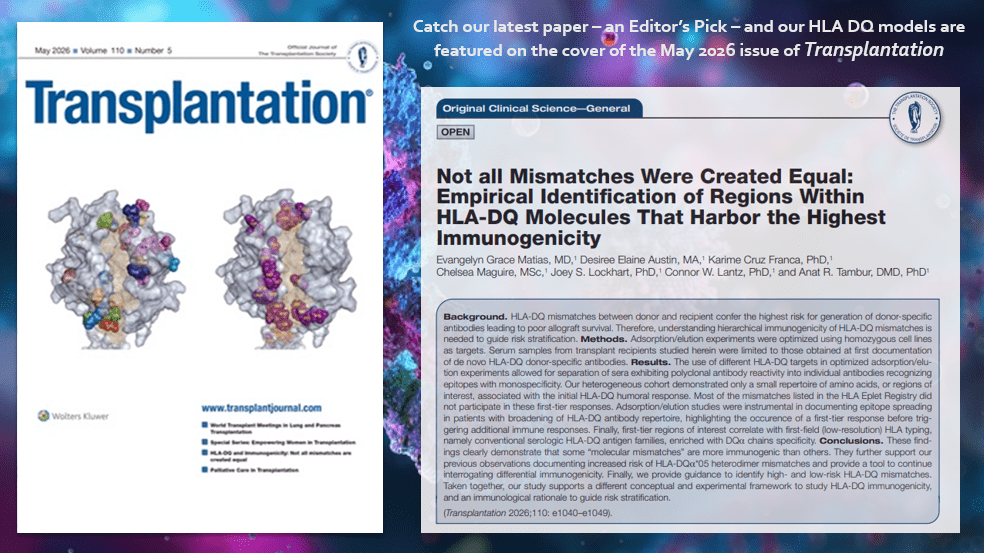
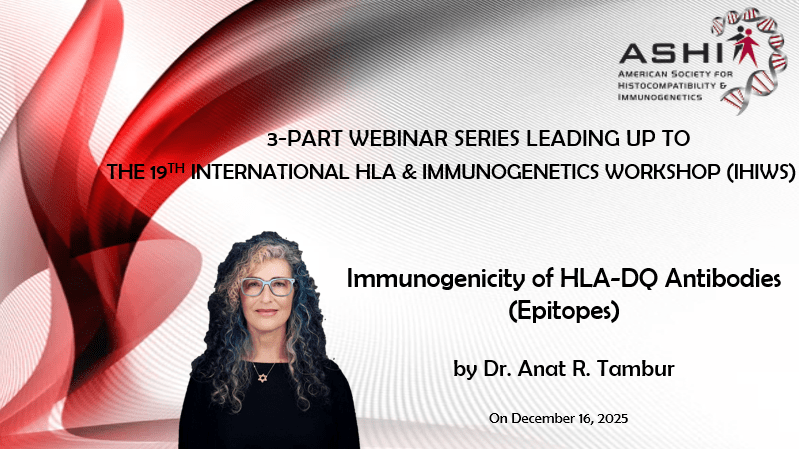
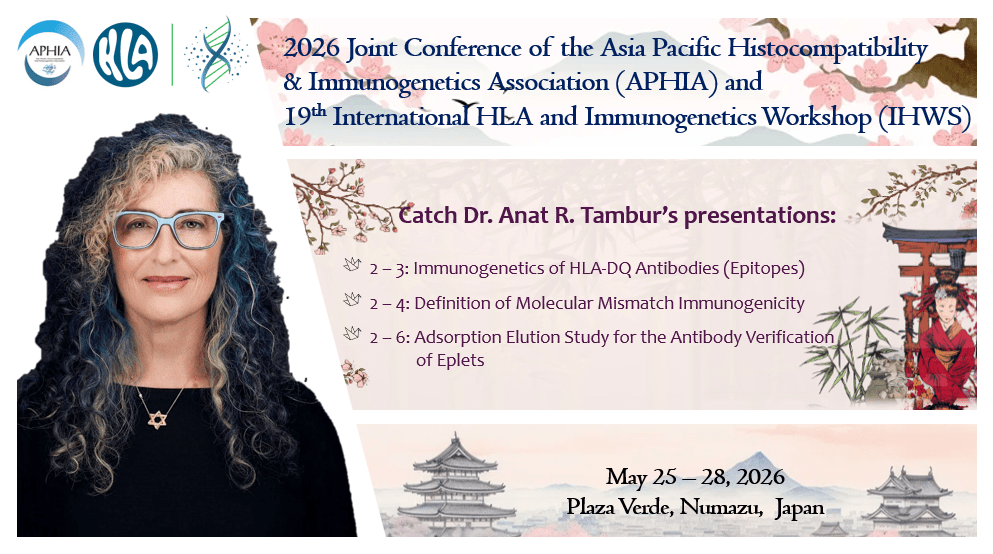
Our research focuses on understanding the immunogenicity of HLA-DQ antigens and it's role in antibody-mediated rejection in solid organ transplantation. Increasing evidence has demonstrated that DQ mismatches between transplant recipient and donor are the most common to induce de novo donor-specific antibodies (DSA). HLA-DQ antibodies are likely also the most detrimental to graft survival. Understanding the unique structural and molecular properties that make the HLA-DQ molecule so pathogenic may eventually help us better predict which mismatches will induce harmful antibody formation, and which are more permissible. This information will promote better informed clinical decisions.
Our clinical laboratory supports transplant care through HLA typing, antibody testing and engraftment monitoring.
Clinical services
As an ASHI-accredited clinical laboratory part of the Comprehensive Transplant Center at Northwestern University, we perform a variety of high-complexity testing relating to HLA typing, antibody testing, histocompatibility, and engraftment monitoring of solid organ and stem cell transplants. Working closely with the clinicians in the Department of Surgery, we also provide consultations regarding the interpretations of our laboratory assays supporting outstanding, comprehensive care to our patients.
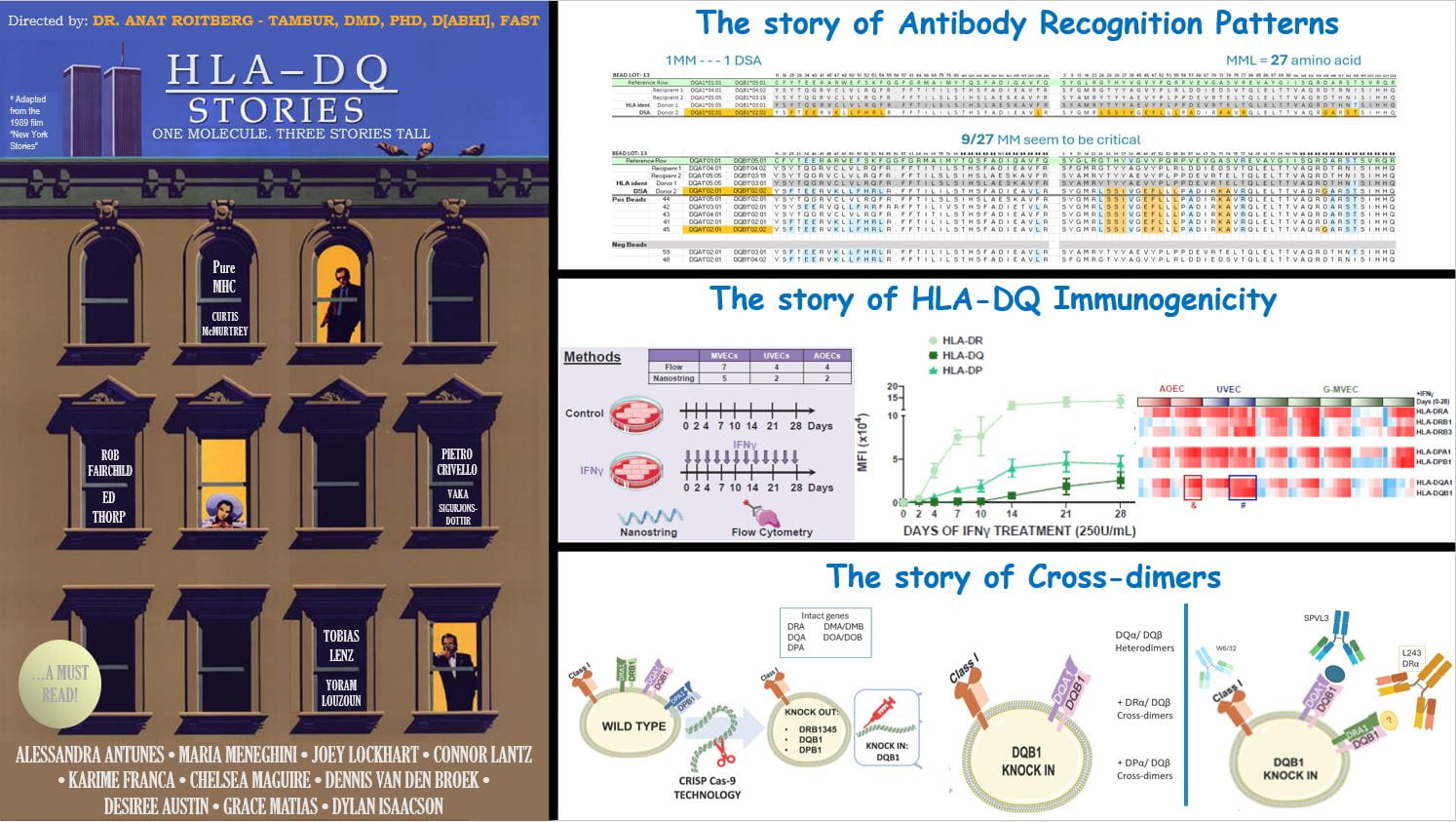
HLA-DQ · Laboratory artwork
Laboratory artwork
Why does HLA-DQ matter?
Explore the molecule at the heart of our research through the lab’s artwork and Chelsea H. Maguire’s illustrated essay.